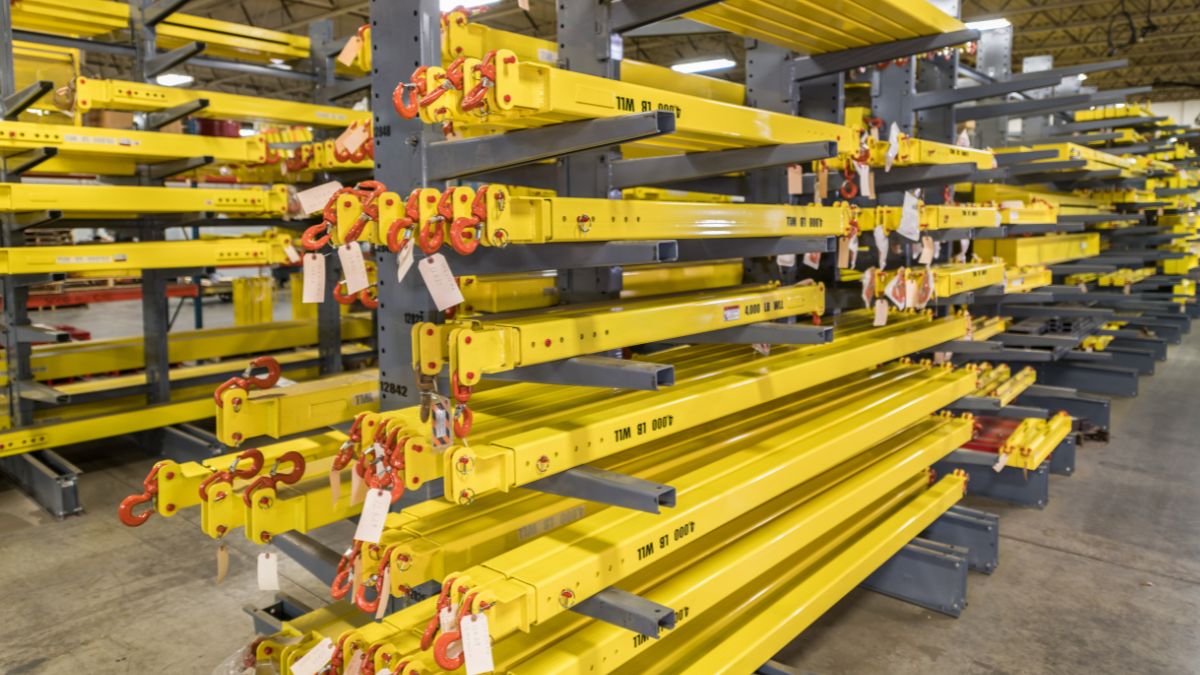
Lifting jobs rarely look the same from day to day. Load sizes may change, lifting points can move, and most jobs will require quick adjustments. An adjustable spreader bar helps crews handle these changes without having to switch equipment for every lift.
Adjustability can improve efficiency and reduce downtime. But it can also add complexity. A well-engineered design should ensure that this flexibility does not reduce lifting safety.
How Adjustable Spreader Bars Work
An adjustable spreader bar controls how lifting forces are distributed between the crane and the load. By controlling pick point spacing, crews can match the bar to the size and shape of the load, keeping lifting forces balanced. This type of device reduces the stress placed on rigging components.
Load paths are an important part of safe lifting. When pick points move, the direction and strength of forces change. A properly engineered adjustable spreader bar accounts for these changes. It is designed and rated to handle stress safely across all approved configurations.
Connection points must also stay stable during adjustments. If lifting points shift, loads can tilt or swing unexpectedly. Adjustable systems are built to keep connection points steady and stable. This helps crews maintain control while the load is moving.
Adding Value vs. Introducing Risk
An adjustable lifting spreader bar is most useful when lifting loads with different widths or changing pick points. Instead of storing multiple fixed bars, crews can adjust one device to match each frame size.
Adjustability can also help when equipment moves between job sites. A contractor may need to handle HVAC units one day and structural components the next. A single adjustable lifting spreader can reduce setup time.
However, adjustability introduces risk. Each adjustment changes how weight moves through the device. A spreader bar that performs safely at one width may behave differently at another. Without proper design or clear ratings, these changes can create uneven loading or unstable lifts.
Considerations Behind Safe Design
Adjustable spreader bars must perform safely across several configurations. This requires more complex engineering and manufacturing. A safe lifting beam spreader bar should start with the following:
- Understanding how forces move through equipment: Engineers study how weight transfers from the crane, through the spreader bar, and into the load. Adjustable spreader bars must handle these forces safely at every approved adjustment point.
- Material strength and durability: The moving sections must stay aligned while carrying heavy loads. Sliding arms or modular sections should not bend or twist. High-quality materials help the device maintain its shape and strength.
- Locking systems: Adjustable spreader bars often use pins, bolts, or mechanical locks to hold positions in place. These components prevent accidental movement during lifting. Clear position markings also help operators confirm the correct setup before the lift begins.
- Strong engineering: Operators should be able to set the spreader bar correctly using simple, repeatable steps. When equipment is easy to set up properly, it is easier to use safely.
Safety Reminders
Safe lifting depends on proper equipment use and regular inspection. Adjustable spreader bars should only be used within their rated configurations. Operators should review manufacturer instructions before making adjustments or performing lifts.
Here are a few other reminders when it comes to safe lifting:
Keep up with inspections: Inspection is important for adjustable equipment. Moving parts, locking pins, and connection hardware should be checked for wear or damage. Even small issues, such as bent pins or worn holes, can affect load stability and safety.
Ensure proper training: Training plays a major role in lifting safety. Crews should understand how adjustment changes affect load balance and rigging tension. When operators know why adjustments matter, they are more likely to notice problems and prevent unsafe lifts.
Practice clear communication: Communication supports safe operations. Everyone involved in the lift should understand the planned configuration and lifting method. This helps prevent confusion and keeps the lift controlled from start to finish.
Flexible Lifting with Confidence
Adjustable lifting equipment should make operations flexible without adding uncertainty. Finding this balance requires strong engineering, precise manufacturing, and clear guidance for safe use. When these elements work together, an adjustable spreader bar becomes a dependable lifting solution.
Machining & Welding designs and manufactures lifting equipment with safety, reliability, and long-term performance in mind. Our team works closely with trusted distributors to help customers find equipment that matches their lifting needs.
If you are evaluating an adjustable lifting spreader bar or exploring ways to improve your lifting process, contact Machining & Welding to connect with a knowledgeable distributor and take the guesswork out of lifting.

