Lifting equipment failures usually don't happen without warning. In many cases, they can be traced back to things that could have been prevented. What looks like a sudden failure on the outside is often the result of risks that have developed over time.
This is why lifting safety cannot be treated as a checklist item or an afterthought. Safe lifting requires understanding how equipment is designed, how it should be used, and where problems tend to emerge. When these are all considered, many failures can be avoided.
How Design Integrity Affects Real-World Performance
Each piece of lifting equipment is engineered for a specific purpose. The design process involves more than simply selecting a load rating and manufacturing a product that meets it. Engineers need to evaluate load paths, connection points, material properties, stress distribution, and how forces move through the equipment during use.
These design decisions are very intentional. For example, a lifting device designed to handle a centered vertical load may not be suitable for side loading or off-center lifting. A product built for indoor use may not perform the same way in corrosive outdoor environments. The intended application shapes every aspect of the design.
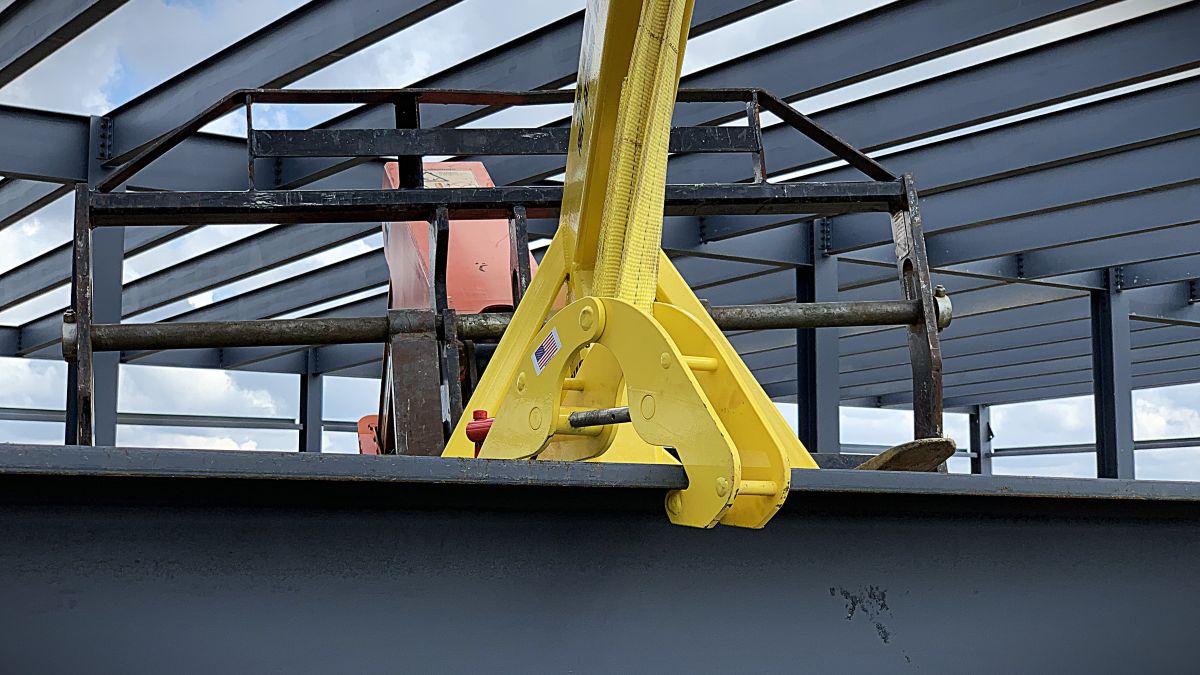
This is especially important when working with crane lifting devices, lift beams, and other critical lifting components. The safety margin built into a product depends on it being used as intended. When equipment is used outside of its parameters, this margin disappears.
Common Misuse Scenarios
Many lifting incidents occur because equipment is used in ways it was never designed to support. These situations may develop gradually as crews look for ways to complete a task with the tools already available. Here are a few common examples.
Side loading
Equipment designed to handle force in one direction can experience different stress when loads are applied from the side. What may seem like a small change in lifting position can dramatically affect performance.
Exceeding rated capacity
Load ratings exist because they reflect the engineering limits of the equipment. Even occasional overloads can contribute to wear, deformation, and increased risk of failure.
Environmental conditions
Extreme temperatures, moisture, corrosion, chemical exposure, and other environmental factors can affect materials and reduce equipment life. Equipment that performs well in one environment may not be suitable for another.
Improvised rigging
Substituting components, modifying equipment, or creating makeshift lifting arrangements can alter how loads are distributed. Even small changes can add stress that the original design was not meant to handle.
Product substitution
Replacing one type of lifting device with another simply because it appears similar can create serious safety issues. Certain pieces of equipment may only be used with specific materials, in specific orientations, and in specific lifting conditions.
Where Shortcuts in Design Show Up
Design shortcuts often reveal themselves through inconsistent tolerances, poor fit-up, inadequate material selection, or weld quality issues. These details may not be obvious during a quick visual review, but they can have a significant impact on long-term performance.
Well-engineered industrial lifting solutions are built around consistency and quality. Even the best design can be compromised if production processes are inconsistent. Reliable performance requires attention to detail at every stage, from engineering and fabrication to inspection and testing.
The Human Cost of Getting It Wrong
When lifting equipment fails, the consequences extend far beyond damaged products or interrupted schedules. Workers, contractors, and entire operations can be affected.
A dropped load can cause serious injuries, create hazardous work environments, and result in costly downtime. Investigations, repairs, project delays, and reputational damage often follow. Sometimes, in severe cases, the consequences can be permanent.
This is why lifting safety is fundamentally a matter of responsibility. Every decision affects real people who depend on the equipment to perform as expected. Safety is not just a compliance requirement; it is a commitment to protecting workers and ensuring they return home safely at the end of the day.
What Reducing Risk Actually Looks Like
Reducing risk begins with thoughtful engineering, disciplined manufacturing, and selecting equipment that matches the application. Practically, this looks like:
- Proper application: Understanding load characteristics, environmental conditions, and lifting requirements helps ensure that the right equipment is being used for the job.
- Routine inspections: Regular inspections can identify wear, damage, corrosion, or other issues before they become serious problems. Small concerns are often far easier and less expensive to address than major failures.
- Working with a manufacturer who understands the application: Manufacturers who design, build, and stand behind their products can provide guidance that helps users make informed decisions about equipment selection and use.
Safety Matters Above All Else
Equipment failures rarely happen by pure chance. Usually, they are the result of preventable gaps in design, application, inspection, or execution. Understanding these risks and how to identify them is one of the most important steps toward preventing them.
At Machining & Welding, we believe safety is a responsibility shared by everyone involved in the lifting process. If you have questions about a specific application, need guidance selecting the right equipment, or want to learn more about our engineered lifting products, contact our team.

